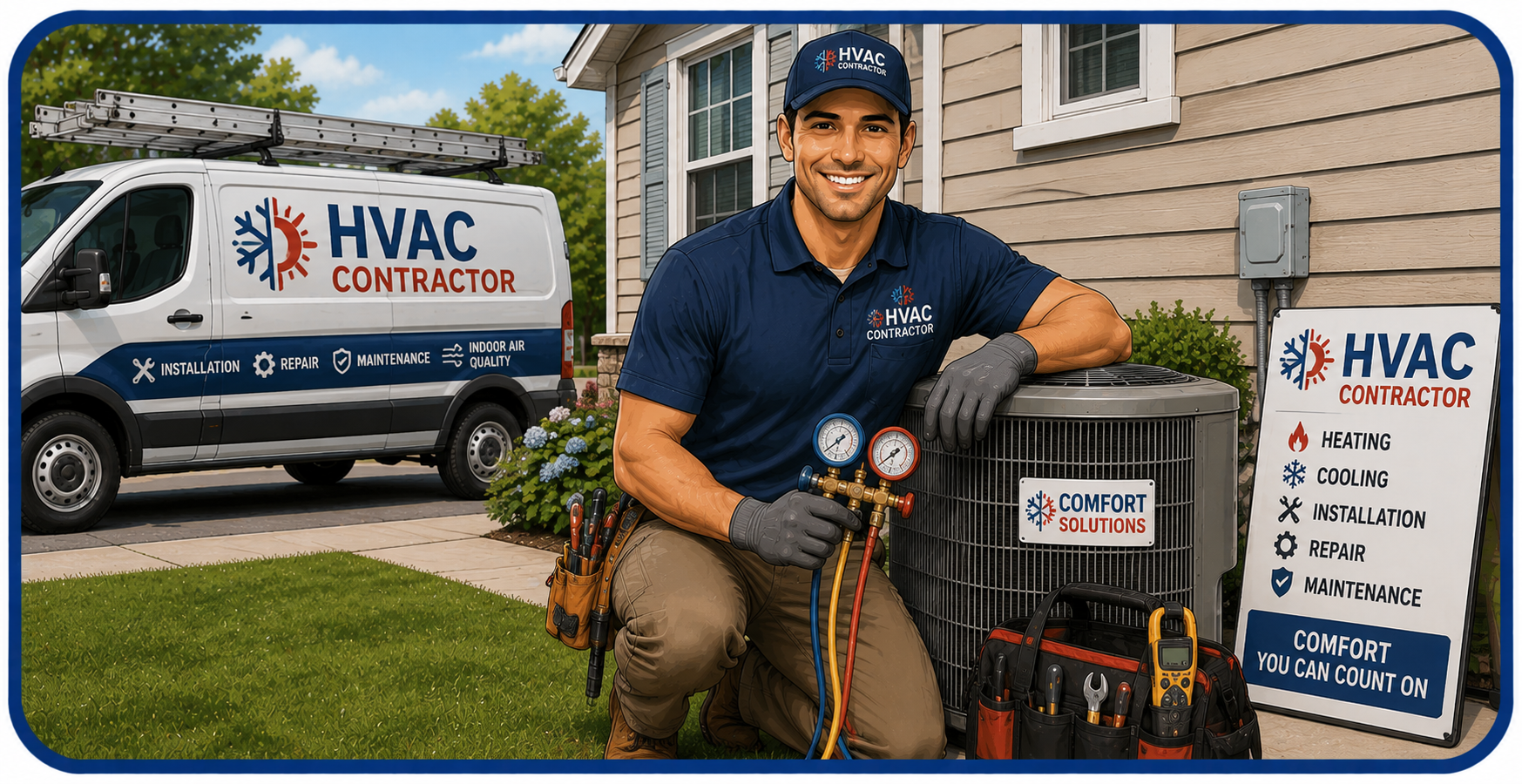
Our Scranton-based crews carry the parts and the know-how to get your air moving again today. Same-day appointments available across Scranton and the surrounding zip codes.
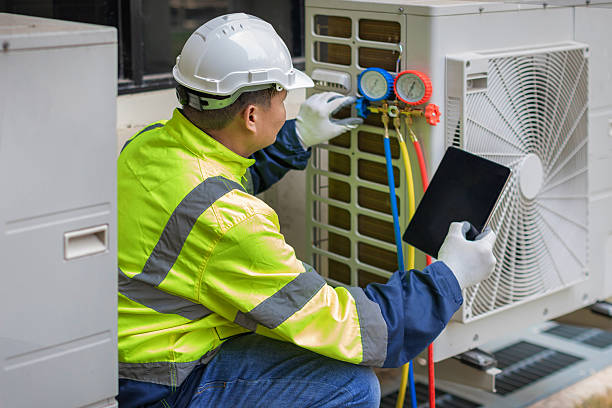
Our Scranton dispatcher asks a few quick questions to gauge urgency and get you the fastest available window.
Ask as many questions as you want; we'd rather over-explain than leave you unsure.
Warranty details are explained clearly so you know exactly what's covered going forward.
Leonard HVAC didn't start as a franchise chasing volume. Every technician we send to your door is background-checked, factory-trained, and licensed to work on the systems installed throughout Scranton, AR.
We're not interested in being the cheapest quote on the page — we're the company that tells you what actually needs fixing instead of what pads the ticket. We carry the credentials Scranton inspectors and property managers expect to see, and we keep that documentation available on request for every job, routine or emergency.
We know which neighborhoods run on older ductwork and which subdivisions were built with newer high-efficiency systems. That local knowledge shapes the parts we stock on the truck — it's the difference between a tech who's guessing and a tech who's seen your exact situation a hundred times before.
Too many homeowners in Scranton have a story about a tech who showed up late, quoted one price, and charged another. That's the gap we built Leonard HVAC to close. We track arrival windows, callback rates, and repeat-issue complaints internally so problems get caught before they become patterns, because a customer who trusts us once tends to call us again — and Scranton is a small enough community that reputation travels fast.
That local context saves time on every call, because we're not starting from zero on basic questions about your neighborhood or your system. We keep parts inventory stocked based on what actually fails most often on Scranton's housing stock.
We cover the full range of heating, cooling, and air quality work Scranton properties actually need.
When your Emergency Hvac system fails without warning, waiting days for an appointment isn't an option. Our Scranton dispatch team moves emergency tickets to the front of the schedule so a technician is diagnosing your system as fast as physically possible.
We keep the truck stocked with the parts that fail most often on the equipment common to Scranton homes, which is exactly why most repairs don't require a return visit.
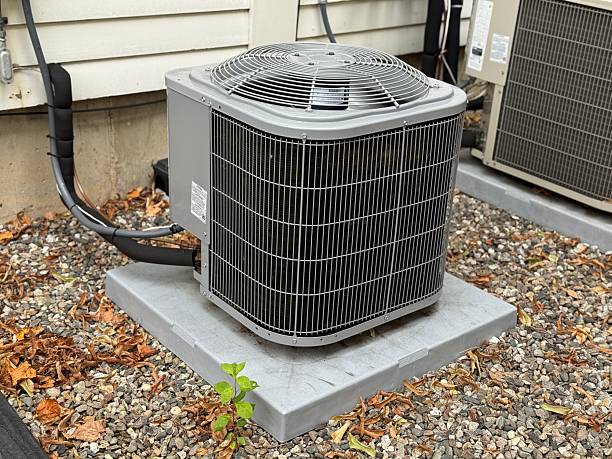
Not every repair call ends in a repair — sometimes the honest recommendation is a properly sized replacement. We walk Scranton homeowners through financing and rebate options where available before a single piece of equipment gets ordered.
Every install ends with a performance test, confirming airflow, temperature split, and refrigerant charge are all where they should be before we consider the job finished.
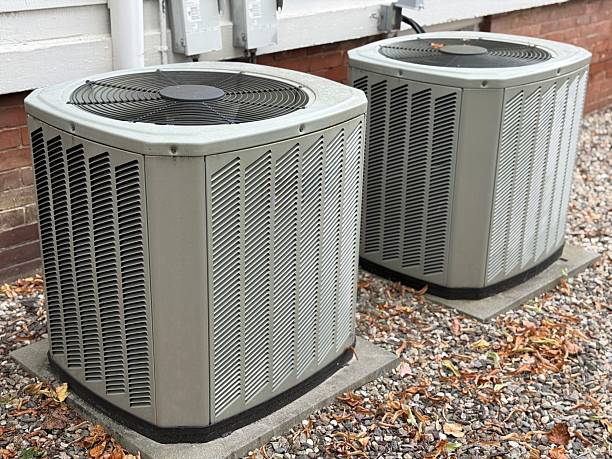
A retail floor, a restaurant kitchen, or an office suite can't run without stable climate control. Our commercial division services multi-zone commercial buildouts across Scranton, with service agreements built around your operating hours.
We understand that a commercial call isn't just about comfort, it's about keeping a business open.
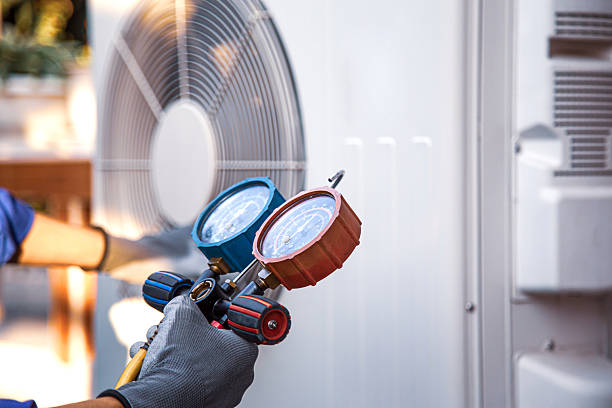
A seasonal tune-up catches the kind of wear that turns into a mid-summer no-cool call. Beyond standard tune-ups, we also handle humidifier, dehumidifier, and air purifier installation for Scranton households that want more than just temperature control.
We'll show you photos of anything concerning we find, along with a plain-language explanation of what it means and whether it's urgent.
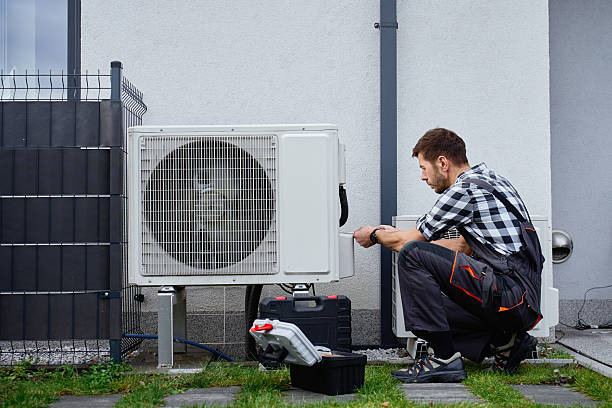
This is the standard every Scranton technician on our team is held to.
Every repair comes with a workmanship warranty explained in plain terms before we leave.
If a competitor's written quote for the same scope of work is genuinely lower, ask us about it.
If anything feels off after we leave, one call gets a tech back to your Scranton address.
A little attention to how your system is running can save you a lot of money and discomfort.
Rattling during startup often means a component has worked itself loose and needs tightening before it causes real damage.
This is one of the most common complaints we hear on service calls across Scranton.
Gradual efficiency loss is easy to miss month to month, but it adds up fast over a season.
This is one of the warning signs we recommend not waiting on.
Chemical odors may signal a refrigerant leak, which requires a licensed technician to handle safely.
If you're calling about the same problem every few months, the underlying cause likely hasn't been fully addressed.
You'll know the cost before a wrench touches your system.
Because our trucks are stationed near Scranton, we're rarely far from your address.
If something isn't right after we leave, we come back and make it right.
Every technician carries current state licensing and manufacturer training.
We explain what failed, why it failed, and what the options are.
Maintenance plan members get priority scheduling and discounted rates.
Every review below reflects an actual service call in the Scranton area.
"I called three other companies first and this was the only one that actually picked up. No pressure to buy a whole new system when a repair was all we needed."
"Scheduled a fall tune-up and they caught a cracked part before it became a real problem. You can tell these guys actually know what they're doing."
"Explained the sizing calculation so I understood why they weren't just installing the same unit again. New system is noticeably quieter and our energy bill actually dropped."
"Our restaurant's rooftop unit went down on a Friday night and they had someone out fast. Kept our kitchen running through the weekend rush."
"The estimate matched the final invoice exactly, down to the dollar. My energy bill dropped noticeably the first month with the new system."
"The tech walked me through what he was checking as he went, which I really appreciated. No overnight surcharge shock — the price matched what dispatch quoted me on the phone."
Understanding what typically fails helps homeowners know what to watch for and when a repair call is worth making before things get worse.
Homeowners who schedule a tune-up ahead of each season tend to call us far less often for emergency repairs. Before the coldest stretch of the year, a heating system benefits from a full safety inspection, checking the heat exchanger, ignition system, and airflow to catch any issue that could turn into a no-heat emergency.
Clearing debris, leaves, and overgrown landscaping away from an outdoor condenser unit gives it room to breathe and keeps it running efficiently. None of this replaces a professional tune-up, but it does reduce the wear that leads to premature breakdowns between visits.
Whether your Scranton home has a traditional split system, a ductless mini-split, a heat pump, or a hybrid dual-fuel setup, our crews are equipped to diagnose and repair it. If your system was installed by a different company entirely, that's not a problem — we service equipment regardless of who originally put it in, and we'll pull the model and serial information to confirm parts compatibility before any repair begins.
Every tech on our Scranton roster goes through background checks, licensing verification, and ongoing manufacturer training.
Over a decade in residential heating and cooling, with a focus on load calculations and full system replacements.
Known for fast, accurate diagnostics on no-heat and no-cool breakdowns.
Focuses on commercial rooftop units, multi-zone systems, and facility maintenance contracts.
For emergency no-heat or no-cool calls, we prioritize dispatch and aim to have a technician on-site the same day, often within a couple of hours.
Our policy is simple: you approve the number before we touch the system.
Yes, no-heat and no-cool situations are treated as priority calls regardless of the hour.
We maintain current credentials because it protects both our customers and our team.
As a general guideline, if a system is past 12-15 years old and facing a costly repair, replacement often makes more financial sense.
Yes, our maintenance plans include seasonal tune-ups, priority scheduling, and discounted repair rates for members.
If you're unsure whether your address falls in our service area, a quick call to +1-866-805-8548 will confirm it.
Property managers and business owners can request a dedicated point of contact for ongoing service.
If parts require special ordering for a less common brand, we'll communicate that timeline upfront.
Ask about financing during your in-home estimate to see what fits your situation.
Twice-yearly maintenance is the standard we recommend given the temperature swings the area sees.
If you smell gas or burning, shut off the system at the breaker and step outside, then call us immediately.
Our pricing is explained clearly before dispatch, and any after-hours consideration is communicated upfront — never as a surprise on the final invoice.
More involved repairs, like a coil replacement or a refrigerant leak repair, take longer and the tech will give you a realistic estimate before starting.
For commercial accounts or rental properties, a designated point of contact or property manager can coordinate access instead.
Housing stock varies a lot across Scranton — older homes often still run original ductwork that needs different care than the sealed, high-efficiency systems going into newer builds.
We also work regularly with homeowners associations, property management companies, and multi-unit buildings throughout Scranton.
We accept standard payment methods for repairs and smaller jobs, and we'll always tell you upfront what a given service is likely to cost so there's no last-minute scramble to figure out payment. If a rebate or local incentive program applies to your Scranton installation, our technicians will flag it during the estimate rather than leaving you to track it down after the fact.
If your address falls within Scranton, AR and near Scranton, there's a strong chance we already service your street.
If you're on the edge of our listed zip codes, it's still worth a call, since routes and coverage get adjusted as demand shifts.